7 Tips for Choosing the Right Fertilizer
For efficient production, it is very important to understand the soil structure, the needs of the plant and the correct product selection. Choosing the wrong fertilizer can lead to lower yield, soil problems and unnecessary costs. So how is the right fertilizer selected?
Here are 7 key tips that both professional growers and hobby gardeners can apply:
Have a soil analysis done — rely on data, not assumptions.
Soil analysis is the foundation of choosing the right fertilizer. Without analysis, any fertilizer application often means “incorrect nutrition.” The analysis shows soil pH, organic matter content, deficient or excessive elements, salinity status and soil structure. This allows the right product to be used at the right dose.
2. Choose the product according to the plant’s growth stage.
Each stage requires different nutrients: vegetative stage: nitrogen-based fertilizers; flowering and fruit set: phosphorus + microelements; fruit enlargement and quality stage: potassium + calcium; after harvest: root-renewing products and organic matter sources. Knowing the plant’s needs by stage directly improves yield and quality.
3. Use fertilizer suitable for the soil pH.
Soil pH is one of the most critical factors determining nutrient availability. If pH is high (alkaline), phosphorus, zinc and iron uptake becomes difficult. If pH is low (acidic), calcium, magnesium and molybdenum deficiencies may occur. Fertilizer selection must be compatible with pH. If necessary, pH-regulating materials should also be used.
4. Prefer products that support organic matter.
Organic matter is the most fundamental factor determining soil health. Therefore, organic matter sources provide a major advantage in fertilizer selection: compost, fermented organic fertilizers, humic–fulvic acid and microbial products. Organic matter keeps the soil alive and increases nutrient-use efficiency.
5. Do not ignore microelements.
Plants need not only NPK but also microelements such as iron, zinc, boron, manganese, calcium and magnesium. Microelements play a critical role in flower quality, fruit set, leaf health, colour and quality formation. Deficiencies often cause major yield losses.
6. Choose the correct fertilizer form.
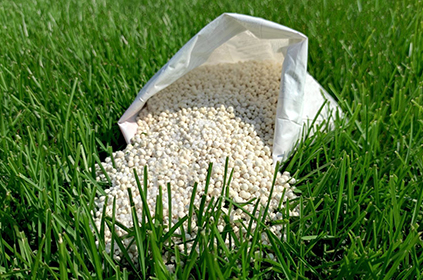
The form is very important depending on the plant type and growing conditions. Granular fertilizers are used for soil applications; liquid fertilizers for drip irrigation and foliar feeding; water-soluble powder fertilizers provide controlled and homogeneous nutrition. Using the wrong form reduces effectiveness and increases cost.
7. Do not compromise on reliable, analysed products.
Fertilizers with complete label information, analysis reports and a traceable production system are always more reliable. Pay attention to content accuracy, production certificates and quality standards. Choosing clean-content and reliable brands pays off in the long term. Fertilizer selection is one of the most critical steps in agricultural production. These 7 tips increase yield and protect soil health in the long run. Choosing the right fertilizer is an investment not only in the plant, but also in the future of the soil.