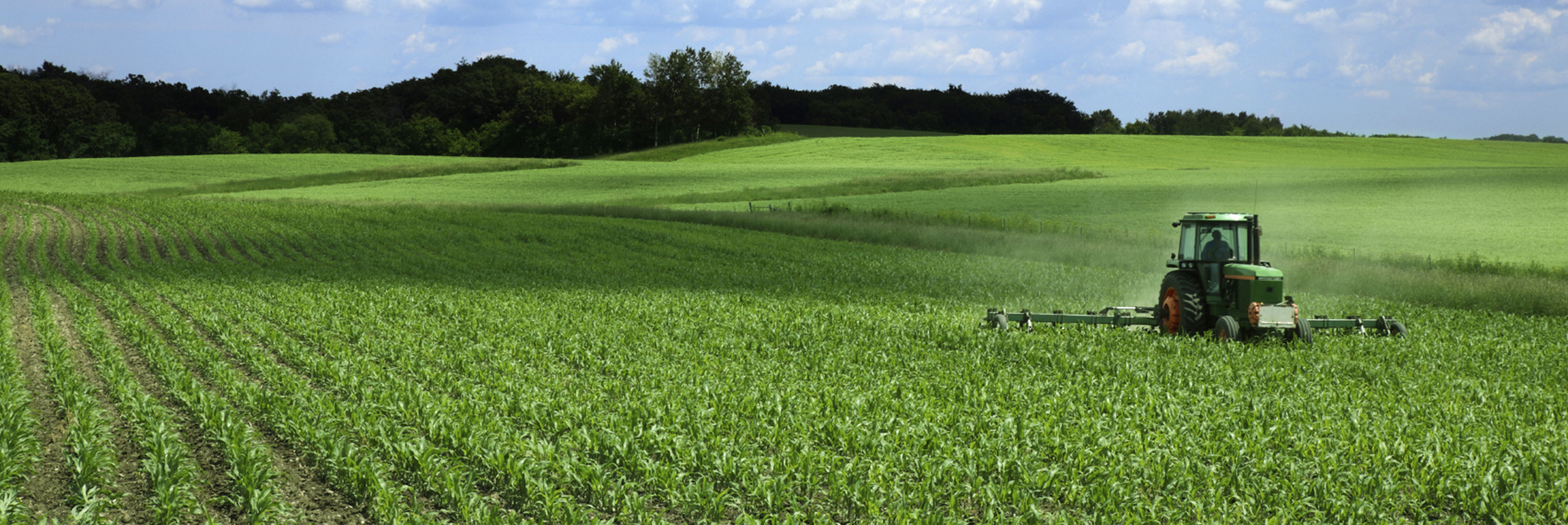
Sustainable Agriculture
Sustainable agriculture means carrying out agricultural activities in a way that is compatible with nature and sustainable in order to provide safe food under increasing population and changing climate conditions.
In order to offer long-term solutions through sustainable agriculture, work continues to develop and integrate new agricultural technologies into farming and to obtain higher yield per unit area. While increasing efficiency in agriculture, it is also important to protect the environment, preserve natural resources and develop ergonomic methods for farmers.
How should sustainable agriculture be practiced?
• Plan and implement agricultural practices that reduce chemical inputs in farming systems and increase plant resistance and soil fertility.
• Prevent damage to water resources through correct irrigation intervals and irrigation systems.
• Protect and use natural resources in a balanced way while aiming to achieve optimum yield.
• Increase investments in renewable energy sources such as solar, wind, biomass and geothermal.
• Reintegrate organic wastes into ecological transformation.
• Develop and support projects for climate-friendly agricultural activities.
• Provide training and develop new systems on production models that reduce greenhouse gas emissions and increase carbon storage.
• Use suitable soil cultivation equipment and apply appropriate fertilization at the correct time.
