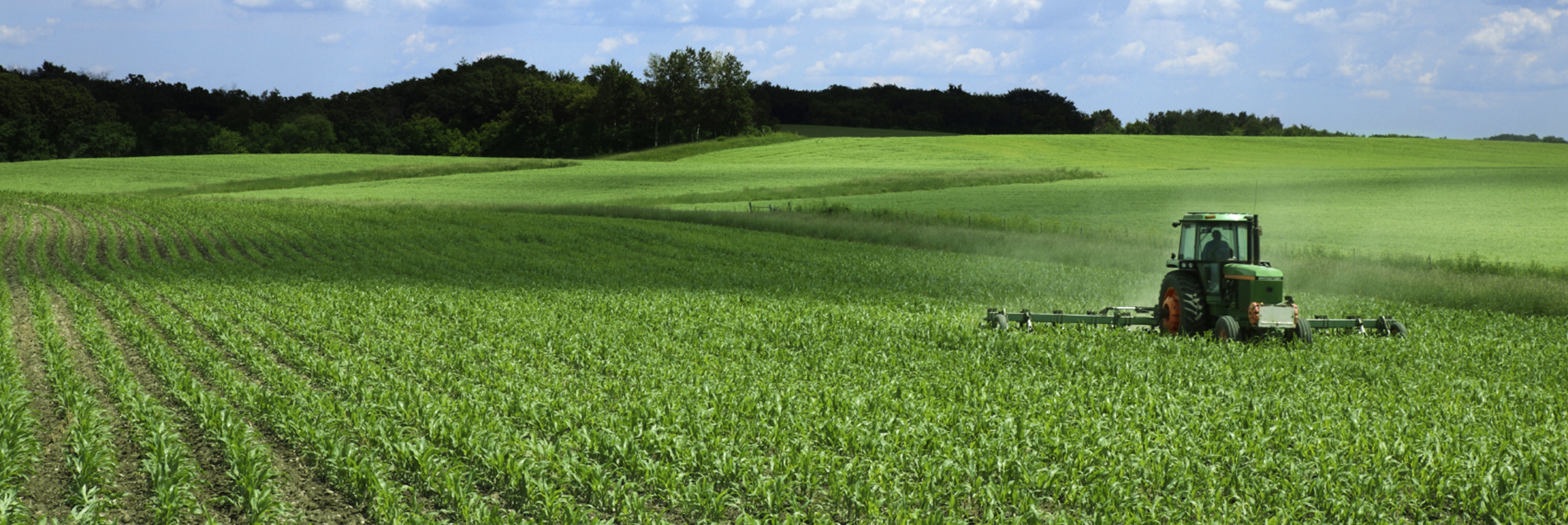
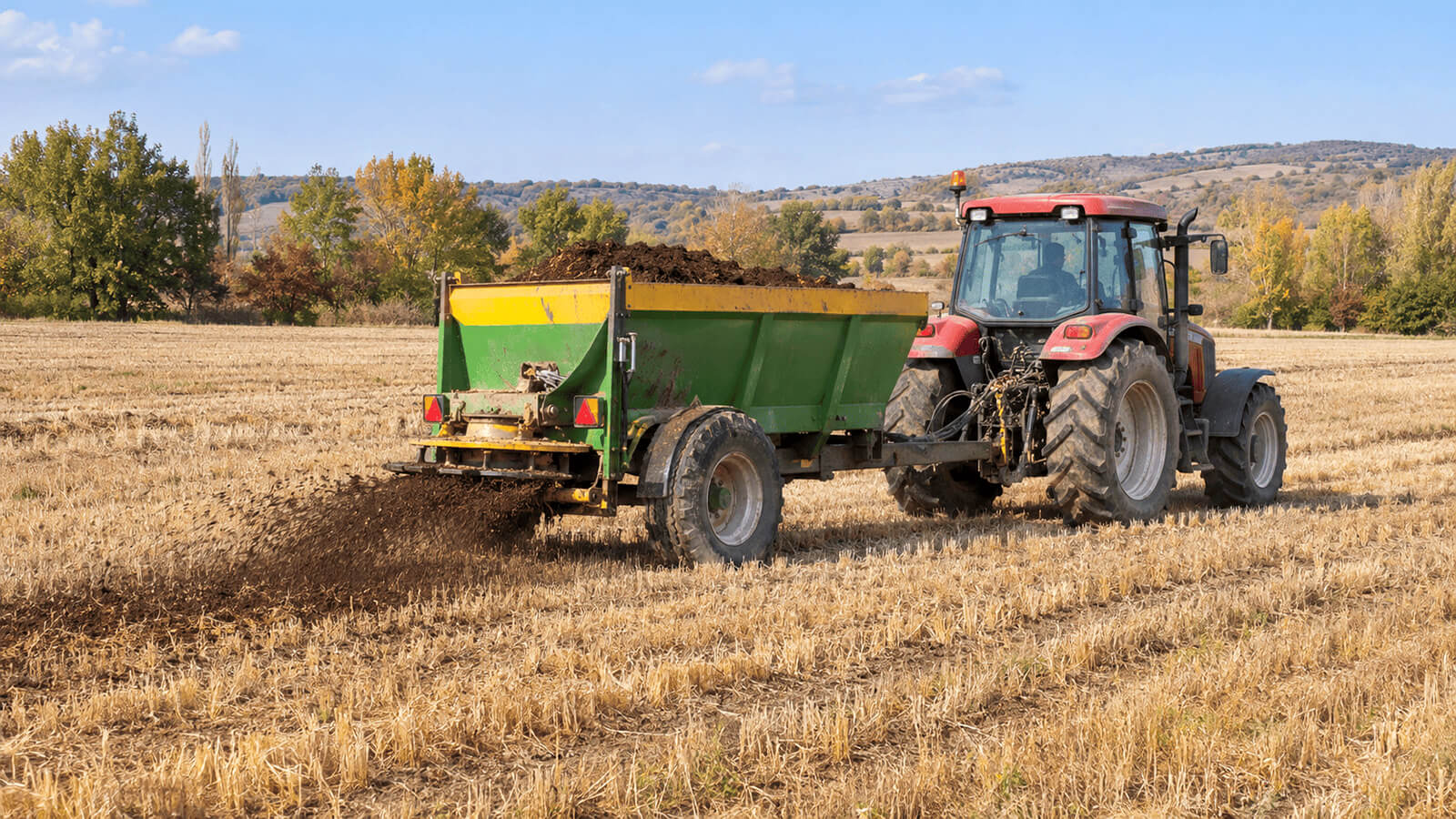
The end of a growing season does not mean the soil no longer needs attention. Harvest removes a substantial amount of produce from a field or orchard, taking some plant nutrients with it. Machinery traffic can compact the soil, and leaving the surface bare for long periods can increase the risk of erosion and nutrient loss. The post-harvest period is therefore a valuable opportunity to assess the soil’s current condition and prepare a fertilizer program for the next season.
Autumn fertilization involves much more than simply spreading fertilizer on a field. A sound approach starts with inspecting the land and managing crop residues, followed by soil testing, an assessment of pH and organic matter, product selection, and application in suitable weather. In this guide, we explain post-harvest soil care step by step, look at the fertilizers that may be suitable for autumn use, and discuss common mistakes.
Why Does Post-Harvest Soil Care Matter?
Soil is more than a physical medium that holds plant roots. It is a dynamic system made up of water, air, mineral particles, organic matter, and a wide range of living organisms. Irrigation, fertilization, tillage, farm machinery, and weather all affect this system throughout the growing season. Appropriate post-harvest practices help bring the soil into better condition for the next crop.
The main aims of post-harvest soil care are to:
- Determine the soil’s current pH, salinity, lime content, organic matter, and nutrient status.
- Identify compaction, drainage, or runoff problems that have developed during the season.
- Manage crop residues appropriately, taking disease and pest risks into account.
- Protect the soil surface against erosion, crusting, and excessive moisture loss.
- Use soil test results to plan fertilizer type, timing, and application method for the next season.
- Account for autumn and spring applications together as part of the annual nutrient program.
What Should You Do First in a Field or Orchard After Harvest?
Before choosing a fertilizer immediately after harvest, inspect the condition of the land. If plant growth, yield, weed pressure, or soil moisture varies across a field, investigate the reasons. Nutrient deficiency may not be the only cause. Poor drainage, root diseases, compaction, high salinity, and unsuitable irrigation practices can produce similar symptoms.
1. Inspect the Land and Mark Problem Areas
During or immediately after harvest, mark areas on a map where yields are low, water collects, soil dries quickly, or plant growth is weak. Areas that differ in soil structure, slope, drainage, or past management should not be treated as one uniform unit. Take separate soil samples where necessary.
2. Check Crop Residues
Stems, leaves, branches, and other crop residues can contribute to the soil’s organic matter cycle. However, incorporating material that carries diseases or pests directly into the soil can create risks for the next crop. Whether residues should be shredded, removed, composted, or returned to the soil depends on the crop, whether the residues carry diseases or pests, and local technical recommendations.
3. Assess Compaction and Drainage
Heavy machinery can increase compaction, particularly when it enters a field while the soil is very wet. Compaction can restrict the movement of air and water and reduce the space available for root growth. Do not decide to carry out deep tillage based on surface appearance alone. Check the depth of the compacted layer and how moist the soil is first. Unnecessary or excessive autumn tillage can leave the soil bare for extended periods, increasing the risk of erosion and nitrogen loss.
4. Check Irrigation and Drainage Systems
At the end of the season, inspect drip lines, filters, drainage channels, and the way water moves across the land. Applying more fertilizer will not solve waterlogging problems. When the balance between air and water in the root zone is disrupted, plants may struggle to take up nutrients even when enough are present in the soil.
When Should Soil Be Tested After Harvest?
Autumn is a suitable time to take soil samples in many fields and orchards. However, avoid sampling spots that have recently received fertilizer, lime, or soil amendments, or have been heavily irrigated. The soil should not be excessively wet, muddy, or frozen. For reliable results, a sample that represents the field matters more than the date on which it is collected.
Soil tests commonly assess pH, electrical conductivity (EC), lime content, organic matter, phosphorus, potassium, and any other nutrients considered necessary. These results influence the type and composition of fertilizer, the application method, and, in some cases, the need for soil improvement measures. If you are unsure how to collect a sample, see our guide to taking soil samples for analysis.
Keep the following points in mind when sampling soil:
- If areas differ in soil structure, slope, drainage, or yield, take a separate sample from each area.
- Avoid unrepresentative spots such as roadsides, fertilizer heaps, livestock resting areas, puddles, and field boundaries.
- Choose the sampling depth according to the crop’s rooting pattern and the laboratory’s recommendations.
- Mix subsamples taken from the same depth in a clean container to prepare a composite sample that represents the area.
- Label the sample bag with the field name, sampling depth, date, crop, and previous fertilizer applications.
How Do Soil Test Results Affect Autumn Fertilization?
The choice of autumn fertilizer cannot be based on a product name or on what was used in previous years alone. Soil test results should be considered alongside estimated nutrient removal by the crop, target yield, previous applications, and soil characteristics. Our guide to planning a balanced fertilizer program explains the key parts of this process in detail.
Soil pH
Soil pH affects the availability of nutrients to plants. At low or high pH, roots may be unable to take up enough of certain nutrients even when those nutrients are present in the soil. Do not apply lime or make other pH adjustments without a soil test. Select the material, rate, and application interval according to technical recommendations.
Organic Matter Levels
Organic matter is linked to soil aggregation, water retention, aeration, and nutrient cycling. Where organic matter levels are low, suitable organic materials may be included in the program. However, organic materials vary in nutrient content, maturity, salinity, and the rates at which they should be applied.
Phosphorus and Potassium Levels
The movement of phosphorus and potassium in soil varies with its texture and chemical properties. If testing identifies a need, fertilizers containing these nutrients may be considered before sowing or planting, or during dormancy in perennial crops. Plan the application method according to the root zone, tillage system, and product label.
Salinity and Electrical Conductivity
High EC can make it harder for roots to take up water, and unsuitable fertilization can raise it further. In saline areas, do not simply increase fertilizer rates. Assess irrigation water quality, drainage, soil texture, and the total salt load together.
Which Fertilizers Can Be Used in Autumn?
The types of fertilizer suitable for autumn use depend on the crop, soil test results, climate, and production system. There is no single fertilizer that must be applied in autumn on every farm.
Organic Fertilizers
Suitable organic fertilizers and organic soil amendments may be included in an autumn program when testing indicates a need. Autumn application can allow time for the material to interact with the soil, helped by autumn and winter rainfall. Even so, check the product’s maturity, nutrient content, salinity, and sanitary condition. Apply it in a way that avoids runoff or movement into water sources. Our article on organic fertilizers explains the main characteristics of this product group.
Organomineral Fertilizers
Organomineral fertilizers combine organic components and plant nutrients in a single formulation. Their suitability for autumn or basal application depends on the product’s guaranteed nutrient analysis and the crop’s fertilizer program. Products with different nitrogen, phosphorus, and potassium ratios should not be used interchangeably. Our article on organomineral fertilizers provides more detail on their composition.
Phosphorus and Potassium Fertilizers
If soil testing identifies a deficiency, phosphorus and potassium fertilizers may be suitable for basal application. The decision also depends on how the crop is grown. Appropriate timing and placement can vary between seedbed preparation for annual crops and application to the active root zone in orchards.
Nitrogen Fertilizers
Nitrogen is a mobile nutrient. Applying it too early, or in amounts greater than the crop can actively use, can increase leaching and other losses. Autumn nitrogen application should therefore not be treated as a routine task. Consider the crop’s growth stage, soil temperature, rainfall, the form of nitrogen in the fertilizer, and the total annual nitrogen budget.
Lime and Other Soil Amendments
Lime should be applied only when soil pH is low and testing confirms a need. Applying lime and certain fertilizers at the same time, or too close together, can affect nutrient availability. The interval between applications should be based on the materials being used and technical recommendations.
When Should Autumn Fertilizer Be Applied?
There is no single calendar date for autumn fertilization. Timing depends on the harvest date, sowing or planting schedule, soil workability, rainfall forecast, temperature, slope, and product characteristics. Do not surface-apply fertilizer when the soil is saturated, runoff is likely, or very heavy rain is forecast in the immediate future.
Consider the following factors together when planning:
- Have soil test results ready and obtain fertilizer recommendations for the crop you plan to grow.
- Work the soil only when its moisture condition is suitable. Avoid using heavy machinery when it is excessively wet or very dry.
- If organic materials are used, allow enough time for incorporation and decomposition.
- Account for runoff and erosion risks on sloping land.
- While rainfall may help move fertilizer into the root zone, do not overlook the risk of heavy rain carrying it out of the field.
- Include autumn applications and the nutrients to be supplied in spring in the same annual program.
Is Post-Harvest Care the Same for Field Crops and Orchards?
Field crops and perennial fruit trees differ in their root systems, tillage practices, and periods of nutrient uptake. Post-harvest care and autumn fertilization should therefore be planned separately.
Soil Care for Field Crops:
The next crop’s sowing date, stubble management, tillage system, and crop rotation plan all matter. Rather than leaving soil bare for long periods, consider cover crops or catch crops suited to the region. Plan basal fertilizer according to the next crop’s needs and the sowing method.
Soil Care for Orchards:
Do not pile fertilizer directly against the trunk or at the center of a multi-stemmed plant. Plan the application around the plant’s active root zone. The canopy drip line alone may not provide an adequate guide for every orchard. Tree age, planting system, irrigation layout, soil depth, and slope all affect the application area. Pruning residues and diseased material also need to be managed separately.
How to Care for Soil After Harvest: A Step-by-Step Guide
- Record harvest yields and variations across the field.
- Identify disease, pest, weed, drainage, and compaction problems.
- Separate healthy crop residues from material that poses a risk.
- Collect representative soil samples and have them tested by an authorized laboratory.
- Assess pH, EC, lime content, organic matter, phosphorus, potassium, and other test results together.
- Identify the next crop and set a target yield.
- Choose fertilizers by their guaranteed nutrient analysis, not by product name alone.
- Combine autumn and spring applications in the annual nutrient budget.
- Check the weather forecast, soil moisture, slope, and proximity to water sources.
- Apply products according to their labels and recommendations from a qualified technical adviser, and keep records.
What Are the Common Mistakes in Autumn Fertilization?
- Using the same fertilizer at the same rate every year without soil testing.
- Failing to account for nutrients applied in autumn when planning spring fertilization.
- Piling fertilizer against a trunk or in one spot instead of distributing it across the active root zone.
- Increasing compaction by operating heavy machinery on saturated soil.
- Surface-applying fertilizer on sloping land before heavy rain.
- Shredding and incorporating diseased crop residues without first checking their condition.
- Applying lime or a pH-adjusting product without knowing the soil’s pH.
- Treating label rates per decare (1,000 m²), per tree, or per plant as interchangeable.
- Failing to check an organic fertilizer’s source, maturity, salinity, and nutrient content.
- Neglecting irrigation, drainage, and disease problems in the belief that fertilizer alone will guarantee yield.
How Can ARF Bio Products Fit into an Autumn Program?
ARF Bio offers a broad range of solid and liquid organic fertilizers, solid and liquid organomineral fertilizers, and conventional fertilizers. However, product selection should not be based on the terms “organic” or “organomineral” alone. Each product has its own guaranteed analysis, intended uses, and application timing.
When planning autumn or basal fertilization, first compare the needs identified by soil testing with the product’s nitrogen, phosphorus, potassium, organic matter, sulfur, and humic and fulvic acid content. The crop, application method, and rate should be determined from the current product label and technical recommendations. Explore our ARF Bio fertilizer range to see the available products.
Frequently Asked Questions
Can Fertilizer Be Applied Immediately After Harvest?
Applying fertilizer immediately after harvest is not appropriate for every field. First assess the soil test results, crop, next season’s schedule, soil moisture, and the characteristics of the fertilizer.
Which Fertilizer Should Be Used in Autumn?
The choice depends on soil test results and crop needs. Organic, organomineral, phosphorus, or potassium fertilizers may be suitable where needed. Time nitrogen applications according to the risk of nitrogen loss and the crop’s growth stage.
Can Organic Fertilizer Be Applied in Autumn?
Organic fertilizers of suitable quality can be considered for autumn use in many production systems. However, check the product’s maturity, salinity, nutrient content, application rate, soil conditions, and rainfall.
Can Organomineral Fertilizer Be Used in Autumn?
Yes, if the formulation and the crop’s fertilizer program are suitable. Organomineral fertilizers do not all have the same NPK ratio, so selection should be based on soil testing and the product label.
Should Nitrogen Fertilizer Be Applied in Autumn?
Applying nitrogen too early or in excess of crop needs can increase losses. Autumn nitrogen should be considered only as part of a program based on technical recommendations for the crop, the form of nitrogen, and local soil and climate conditions.
Can Soil Be Tested in Autumn?
Yes. Autumn is a suitable sampling period for many fields and orchards. However, avoid spots that have recently been fertilized, hold standing water, or do not represent the area.
Can Fertilizer Be Applied Before Rain?
Light rain may help some fertilizers move into the soil. Heavy rain, however, can cause runoff, erosion, and nutrient loss. Base the decision on the expected rainfall, slope, soil moisture, and product label.
Can Fertilizer Be Left on the Soil Surface?
The application method depends on the fertilizer’s form, the crop, the tillage system, and the label. Some products need to be incorporated into the soil, while others can be surface-applied. No single method is suitable for every fertilizer.
Should Fertilizer Be Applied at the Base of Fruit Trees?
Generally, fertilizer should not be piled directly against the trunk. Distribute it appropriately across the active root zone, taking the tree’s age, canopy development, irrigation system, and planting layout into account.
Does Autumn Fertilization Replace Spring Fertilization?
Not always. Autumn and spring applications may serve different purposes. The annual program should reflect the crop’s needs at each stage and the total nutrient budget.
Planning Next Season’s Yield Starts After Harvest
Post-harvest soil care involves more than choosing the next fertilizer. It requires inspecting the land, managing crop residues, collecting representative soil samples, interpreting the results, and planning fertilization for the coming season.
The right autumn fertilizer, rate, timing, and application method can differ from one field or orchard to another. Instead of relying on habit or generic rates, consider soil test results, the crop, climate, irrigation, drainage, previous applications, and the current product label together. To select a suitable ARF Bio product for your land, consult a qualified technical adviser with your soil test results.